
The US on Monday blamed India and China for creating hurdles in the ongoing WTO talks here and said Doha trade talks have been thrown into the "gravest jeopardy" by these two countries which are not willing to open their markets for more imports.
India said on Wednesday developed countries were still not willing to fulfil their commitments under the World Trade Organization agreements and warned this could put the entire global trade at risk.
As expected, some WTO members have expressed immediate reservations and it looks far from certain as to whether the WTO can end up achieving anything. In fact, the very relevance of the DDR and even the WTO are now being questioned by independent observers. WTO Director General Pascal Lamy was hopeful the negotiating texts clearly indicate where convergence lies among the WTO members and that the documents provide a springboard for a new and critical stage.
"... An early conclusion of Doha Round is important; India is willing to take part in negotiations at the WTO provided the core concerns of the Round, namely development concerns of developing nations are addressed," commerce and industry minister Anand Sharma told Rajya Sabha.

The 10th ministerial conference, will be held at Nairobi, Kenya.

The Doha negotiations has been virtually stalled since July 2008.
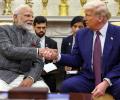
'I certainly hope the two can avoid a trade war and believe they will.' 'I expect some in India will push for retaliatory tariffs if the Trump administration applies significant reciprocal tariffs.'
The differences between the rich and developing nations have always been at the core of the World Trade Organisation, set up in 1995 to facilitate greater trade flows across the world, and it came as a major breakthrough when the US and India reached a deal over food security issues in 2014.
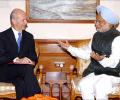
WTO Director General Pascal Lamy met Prime Minister Manmohan Singh on Friday and sought concessions from India to revive the stalled Doha Round of negotiations.
Britain on Thursday said it was unlikely that the next World Trade Organisation Ministerial will be held this year, indicating that completion of the Doha Development Round of trade negotiations will miss the deadline of January 01, 2005.
The huge increase in WTO membership and the rising share of emerging economies in world trade belie the perception that the WTO exclusively serves the rich countries' interests.
India has said that developed countries were trying to go back on their commitment on the development content of Doha round of WTO talks and are putting new conditions on developing countries leading to a deadlock.
Minister for Commerce and Industry Kamal Nath, who arrived in Washington had critical bilateral discussions with senior administration and Congressional leaders on issues related to WTO and bilateral issues.
The country could be a major beneficiary from greater market access in services unlike other developing nations, said the working paper authored by H A C Prasad, senior economic advisor in the ministry. India is Asia's third largest economy with a size of nearly $1 trillion. Services contribute about 61 per cent of GDP and the sector is growing at double-digit rates.

Although Indian team is in full strength at the WTO headquarters in Geneva, officials back home are apprehensive of any concrete developments in absence of 'right signals' from Washington.
Trade ministers of the Group of Six (G-6) countries resolved on Thursday to conclude the six-year-old Doha Round of trade talks by the end of the year.
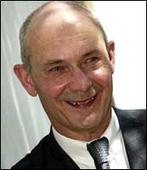
Services have now become an offensive area for many developing countries like India and that is good news.

Developed nations want the WTO to discuss new issues.
WTO should focus more on what it 'should do' than what it 'can do'
Hitting out at the developed nations for their attitude towards the World Trade Organisation negotiations, India on Monday warned against the Doha round being hijacked by the European Union and the United States.
Nobody can rightly argue that the WTO or the external world is primarily responsible for the woes of our farmers.
India has expressed its disappointment over non-reaffirmation to conclude 14-year-old Doha Round pacts
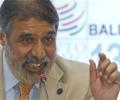
A visibly elated Sharma said the decision gave India complete protection even if it breached the food subsidy limit under WTO rules
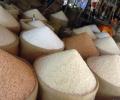
India has reiterated that members have spent over a decade on the Doha Round and it should not be kept hanging.
Trade ministers of key WTO member countries, including India would meet on the sidelines of the Organisation for Economic Cooperation and Development meeting in Paris in the last week of May.
The issue of Doha round of WTO talks dominated the discussions as Prime Minister Manmahon Singh met his British counterpart Gordon Brown here and agreed on the need for pushing the stalled negotiations. Brown, while favouring cut in farm subsidies in the US and the Europe, voiced optimism that an agreement could be reached in the global trade talks that have got stuck due to stiff opposition by India and some other developing countries on agriculture subsidies.
The world's top eight industrial nations on Monday ppeared to have climbed down from a tough position on farm subsidies, reviving hopes of resumption of the collasped WTO talks.
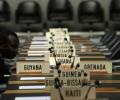
This will be an area where bilateral or regional trade pacts may not be able to perform well.
Rich countries should bring down tariffs on goods that developing countries want to export to them for achieving objectives of the Doha Round of trade talks at WTO, President A P J Abdul Kalam said on Friday.
The G-20 alliance of developing countries led by India and Brazil is likely to come up with "better" proposals at its meeting in Geneva this week as chances of a global trade deal on WTO's Doha Round brighten. Nath said members of the G-20 wanted to recognise some of the sensitivities of developed countries as long as their own concerns of livelihood and food security are taken on board.
India has held that countries responsible for creating the problem of climate change should come out in a big way to solve this issue.

The government has taken several measures to clear the applications and that includes sanctioning of 373 additional posts in the patent wing.
India believes rich nations should be away from farm subsidies.

According to the final draft of the negotiating text circulated by WTO Director-General Roberto Azevedo among trade ministers of the 159 member countries on Wednesday night, on public stockholding for food security purposes, a developing country like India can provide subsidies for farm support even if those exceed the permissible 10 per cent cap.

In an interview with Nayanima Basu, the DG lauds the efforts of Indian negotiators in bringing the deal on the table.

Still, the failure of the agreement should signal a move away from monolithic single undertaking agreements that have defined the body for decades.
.jpg)
If India does not wish to continually violate the WTO rules, it must also continue to push the WTO to either revisit the reference point of 1986-88 prices for calculating subsidies and pitch it at a recent period, or raise the ceiling on subsidies to enable countries like India to stay within the envisaged cap.
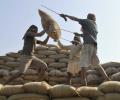
New Delhi to push for services trade facilitation & food stockpiling.

The WTO has already significantly lowered its sights since a decade of Doha talks broke down, forcing the body to focus on a much less ambitious set of reforms.
 © 2026 Rediff.com - Investor Information - Advertise with us - Disclaimer - Privacy Policy - Sitemap - Feedback - About us - Terms of use - Grievances